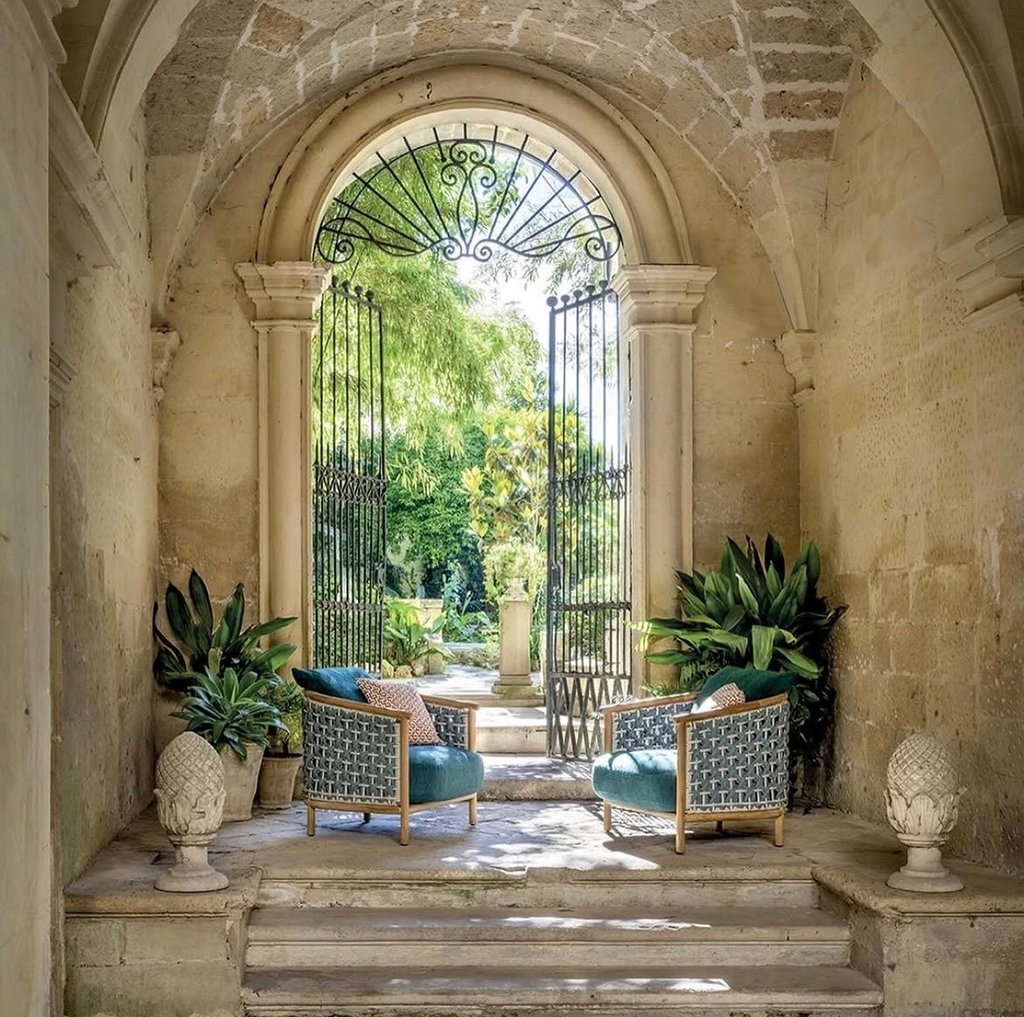
Some spaces calm us the moment we walk in. Others, though beautiful, feel quietly unsettling, as if something invisible were out of tune. It’s not coincidence. Our homes speak to the body long before the mind catches up.
Light, proportion, texture, and rhythm are not just aesthetic choices, they are emotional ones. They guide our breathing, our focus, even our sense of safety. When a room feels balanced, the nervous system mirrors that balance; when it feels chaotic, so do we.
We often think of decoration as what we add to a home. But true design begins with what it gives: calm, clarity, connection. A well-composed interior doesn’t overwhelm the senses; it restores them. It offers silence where life is noisy, warmth where the world feels cold, and beauty where the mind seeks order.
Harmony does not always mean restraint. It can live in colour, in contrast, in the energy of a space that feels alive. What matters is coherence: when what we see matches what we feel.
Design, then, is not only visual, it’s visceral.
A chair that invites rest, a light that softens edges, a colour that comforts rather than impresses, and sometimes, a scent that brings back a memory or a sound that feels like home. Each detail shapes the atmosphere where emotion and body find alignment.
A thoughtful home becomes a mirror, not of who we show to others, but of who we are.
Because in the end, a space that feels right is never only about beauty. It is about meaning.